
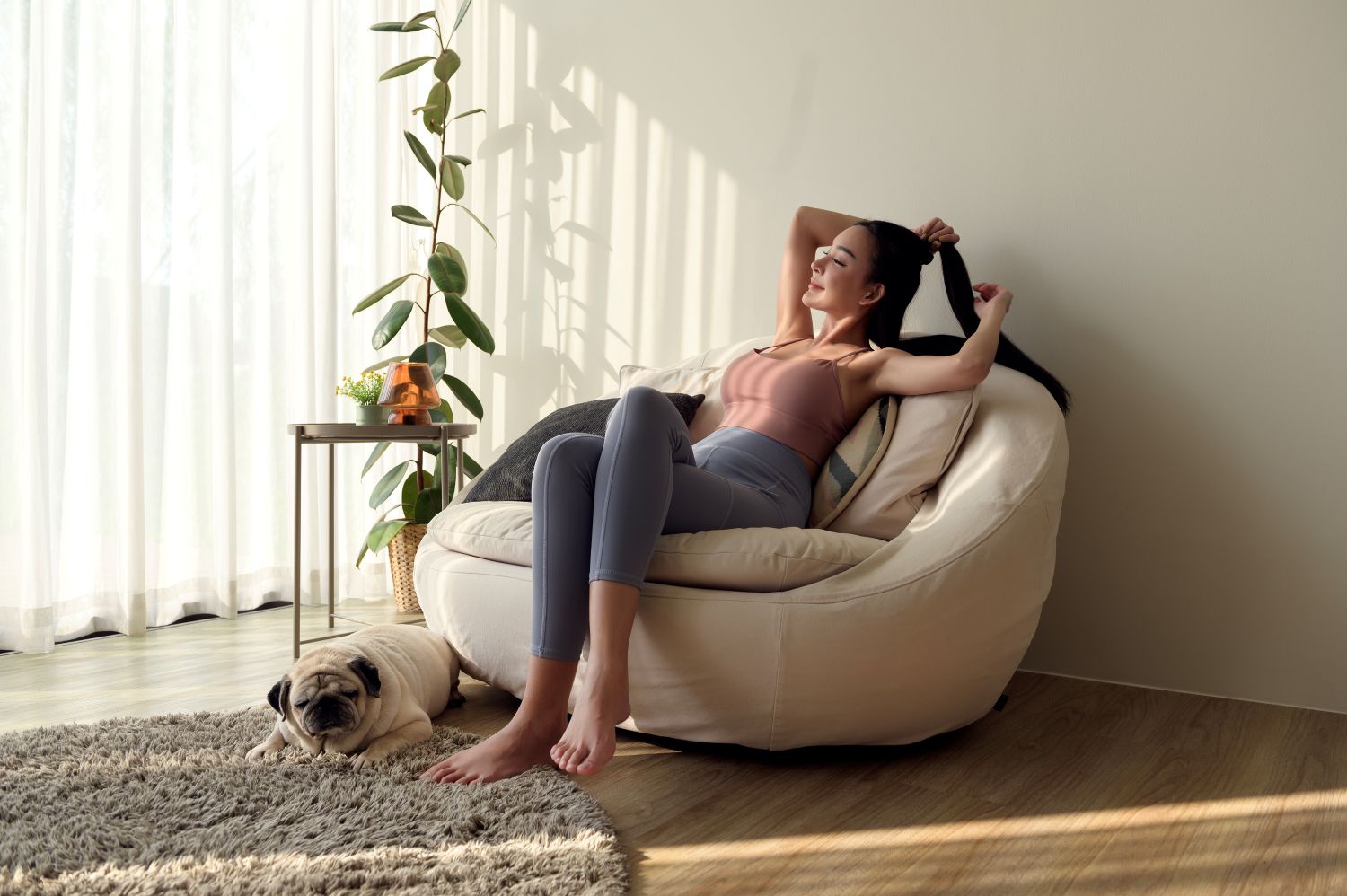
In the contemporary, fast-paced environment, it is increasingly essential to identify opportunities for relaxation, and the selection of an appropriate reclining chair can significantly impact this experience. This article examines the advantages of dedicating time for personal respite, emphasizing the critical role of comfort and support in the selection of a chair. We will provide an overview of key considerations, including style, size, and maintenance recommendations, to ensure that your new favourite seating area enhances your relaxation experience. Your ideal retreat is within reach.
Why Having a Relaxing Chair is Important
The inclusion of a relaxing chair in one’s home is instrumental in cultivating a cosy atmosphere and enhancing overall well-being.
A thoughtfully designed lounge chair provides comfortable seating that facilitates relaxation after a long day, while also offering lumbar support and ergonomic features that improve posture.
Whether situated in the sitting room, a reading nook, or a home office, a relaxing chair functions not only as a practical piece of furniture but also as a vital component of interior design. Integrating stylish furniture into home décor can contribute to the creation of a serene environment that promotes stress relief and rejuvenation.
The Benefits of Taking Time to Unwind
Allocating time for relaxation is imperative for maintaining both mental and physical health. One effective method to achieve this is by utilising a relaxing chair that promotes comfortable seating.
Engaging in relaxation techniques while seated in an ergonomic chair can significantly enhance one’s mood and create a soothing environment conducive to overall well-being. Activities such as reading or meditating in a dedicated relaxation space can result in effective stress relief and improved concentration.
When individuals prioritise relaxation, they not only alleviate tension but also recharge their emotional reserves, fostering a more positive outlook on life. Incorporating gentle breathing exercises or mindfulness practices can further amplify these benefits, allowing the mind to detach from daily concerns.
Simple techniques, such as progressive muscle relaxation—which can be easily performed in a supportive chair—can assist in releasing accumulated stress within the body. Additionally, listening to calming music while comfortably seated can uplift one’s mood, providing a sanctuary from the demands of everyday responsibilities.
Factors to Consider when Choosing a Relaxing Chair
Selecting the ideal relaxing chair requires careful consideration of various factors that significantly influence comfort and satisfaction, including ergonomic design and the aesthetic appeal of the furniture in relation to your home décor.
It is crucial to assess seating options that offer sufficient support, particularly lumbar support, while also reflecting your personal style.
Furthermore, evaluating the dimensions and functionality of the chair will ensure it integrates seamlessly into your environment, thereby enhancing both the aesthetics and usability of your designated relaxation areas.
Comfort and Support Features
When selecting a relaxing chair, it is essential to prioritise comfort and support features, particularly those related to ergonomic design that promotes proper posture. Chairs that incorporate lumbar support, along with adjustable features such as recliners, significantly enhance the overall sitting experience by providing the necessary support for the back.
The softness of the cushions is also a critical factor in ensuring comfortable seating that encourages prolonged relaxation.
A well-designed relaxing chair should offer a variety of cushion types, including memory foam or gel-infused options, which conform to an individual’s unique body shape and assist in alleviating pressure points. It is advisable to seek models with adjustable armrests and headrests to accommodate different relaxation preferences.
Versatility is key; selecting a reclining chair that facilitates an effortless transition between upright and reclined positions can greatly enhance overall comfort.
Additionally, the choice of fabric is of paramount importance; breathable materials can help maintain a comfortable temperature, ensuring that relaxation moments are genuinely enjoyable.
Style and Design Options
The variety of styles and design options available for relaxing chairs is extensive, enabling individuals to select a piece that harmonises with their home décor and personal preferences. From modern aesthetics to classic designs, there is a wide array of options incorporating diverse fabric choices and colour schemes, ensuring that a relaxing chair serves both as a functional and aesthetically pleasing element within the space.
Choosing a chair that complements existing décor can significantly enhance the overall ambience of the relaxation environment.
For example, a sleek leather chair in neutral tones can seamlessly integrate into contemporary settings, while a vintage armchair featuring rich fabrics and bold patterns may serve as an impactful statement piece in more eclectic spaces. Exploring various textures, such as linen or velvet, can contribute depth and character to the room.
Additionally, the choice of colours is critical; soothing pastels can evoke a sense of tranquillity, whereas deeper shades can introduce a dramatic contrast.
Ultimately, by thoughtfully considering these elements, one can create a cosy corner that reflects their unique style and invites moments of serene leisure.
Size and Space Considerations
When selecting a relaxing chair, careful consideration of size and spatial requirements is essential for optimising space without compromising functionality or comfort.
A thorough understanding of the room layout will facilitate the choice of a chair that fits seamlessly within the designated area, whether one is seeking compact models or more spacious options that create designated relaxation zones.
It is important to assess how the chair’s dimensions affect the overall flow and aesthetic appeal of the living space.
Taking the time to measure the available space is critical, as this ensures that the chosen chair neither overwhelms the room nor obstructs movement.
For environments with limited square footage, selecting compact chairs can foster a more open atmosphere, allowing for easy navigation while still providing a cosy area for relaxation.
Additionally, rearranging existing furniture to accommodate the new chair can enhance the room’s functionality, transforming it into a true oasis of relaxation where one can retreat from daily stresses.
Tips for Maintaining and Maximising the Use of Your Relaxing Chair
To ensure the longevity and comfort of your relaxing chair, it is essential to implement proper maintenance and cleaning practices that preserve its durability and aesthetic appeal.
Regular maintenance of the chair not only enhances its lifespan but also helps retain its original charm, allowing for a continued cosy atmosphere within the home.
By prioritising straightforward maintenance techniques, you can maintain the chair’s appearance and inviting nature throughout its use.
Cleaning and Care Instructions
Cleaning and maintaining your relaxing chair is crucial for preserving both its appearance and functionality, thereby ensuring that the chosen fabric remains vibrant and durable. Regular inspections for stains, along with the use of appropriate cleaning solutions, contribute to maintaining the chair’s aesthetic appeal while extending its longevity.
Maintenance techniques should be adapted based on the material—whether it involves upholstered chairs or wood finishes—allowing for a customised approach to chair care.
For example, if the chair features a leather finish, it is advisable to wipe it down with a damp microfibre cloth to eliminate dust and minor stains, while applying a specialised leather conditioner will ensure its softness and prevent cracking.
In cases where the chair has fabric upholstery, utilising a vacuum attachment can effectively remove debris from hard-to-reach areas, and spot cleaning with a gentle fabric cleaner will address unforeseen spills efficiently.
By implementing these straightforward yet effective maintenance practices, you can ensure that your relaxing chair remains not only inviting in appearance but also comfortable, solidifying its status as a valued element of your living space.
Creating a Relaxing Atmosphere
Creating a relaxing atmosphere is essential for maximising the benefits of your relaxation chair, as the appropriate ambience can significantly enhance your overall experience. Key elements such as lighting, colour schemes, and décor play critical roles in establishing a cosy environment that encourages unwinding.
By taking into account your personal preferences and integrating design elements that promote tranquility, you can effectively transform your space into a calming retreat.
Incorporating soft, warm lighting can greatly influence the mood, fostering a sense of peace and comfort. It is advisable to utilise table lamps, fairy lights, or even candles to soften harsh overhead lighting and create an inviting glow.
Selecting a harmonious colour palette that features gentle tones can further contribute to a soothing atmosphere. Art pieces, textiles, and accent cushions in calming hues or nature-inspired designs can complement your relaxation chair while enhancing the overall aesthetic of the space.
Additionally, incorporating plants or natural elements can help ground the environment, creating a restful retreat for individuals seeking relief and rejuvenation.
Tags: Chair